





Robert Plant: Rock’s Golden God and Enduring Icon
Robert Plant, born on August 20, 1948, in West Bromwich, England, is celebrated as one of the greatest vocalists in rock history. As the lead singer of Led Zeppelin, Plant’s soaring voice and magnetic stage presence defined an era, propelling the band to legendary status. Formed in 1968, Led Zeppelin reshaped the landscape of rock with anthems like “Whole Lotta Love” and “Stairway to Heaven,” blending blues, folk, and hard rock into a sound that remains timeless. Plant’s vocal power and distinctive style made him not just the frontman of the band, but its spiritual heartbeat.
When Led Zeppelin disbanded after drummer John Bonham’s death in 1980, Plant embarked on a solo journey that showcased his versatility and artistic courage. Refusing to live in the shadow of Zeppelin’s legacy, he explored an array of genres, from hard rock and folk to world music. His collaboration with bluegrass singer Alison Krauss on Raising Sand (2007) won multiple Grammy Awards, proving his ability to reinvent himself while maintaining the emotional depth that defined his career. Work with projects such as Band of Joy and the Sensational Space Shifters further cemented his reputation as an artist unafraid to evolve.
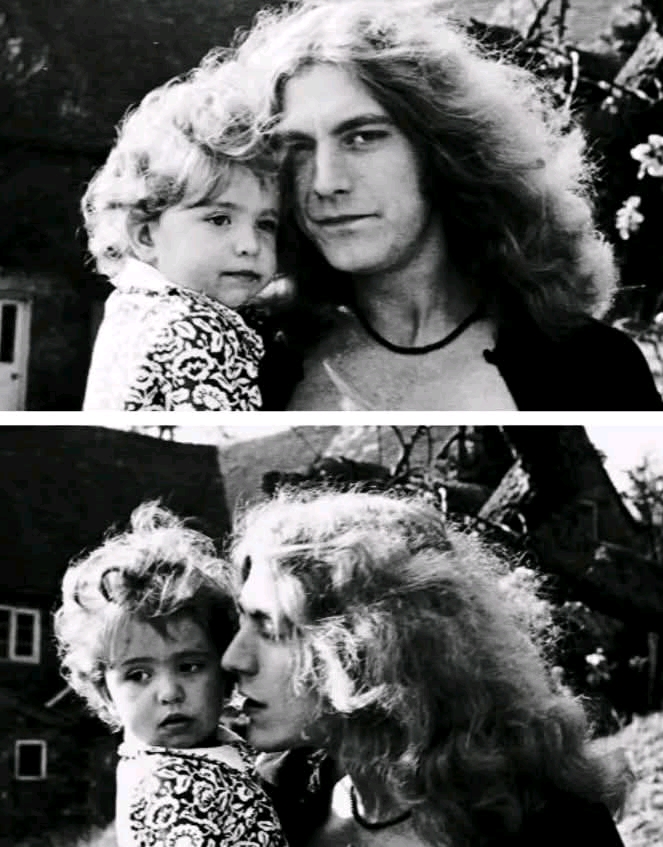
Behind the legend lies a man shaped by both triumph and tragedy. Plant’s son Karac tragically passed away in 1977, a loss that profoundly affected him. In the years since, he has remained a devoted father to his surviving children, often balancing his artistic pursuits with the grounding force of family life.
More than five decades into his career, Robert Plant’s influence continues to ripple through generations of musicians and fans. His voice, once the thunder of a new rock era, remains a beacon of passion, resilience, and artistic freedom.