



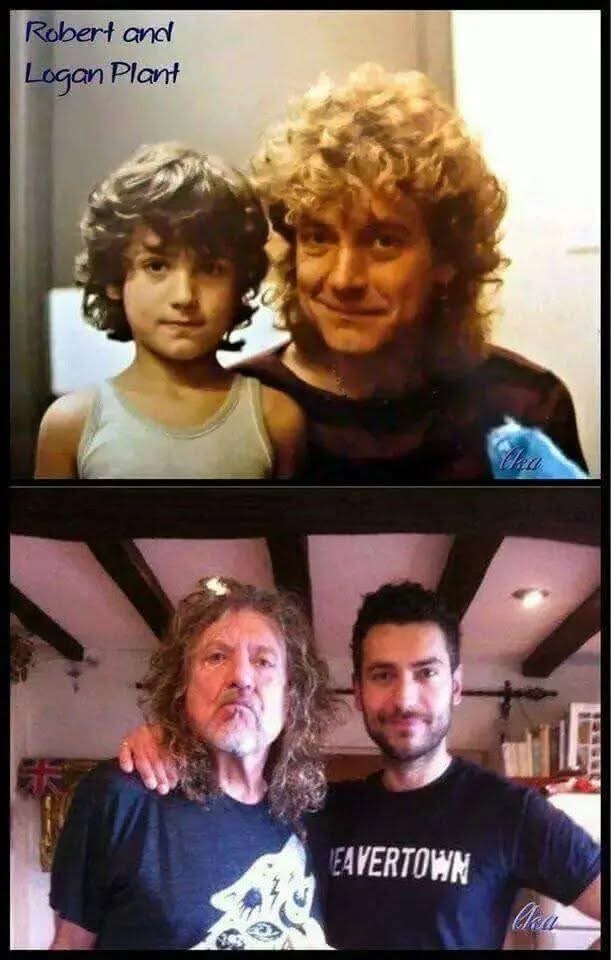
Logan Plant, the son of legendary Led Zeppelin frontman Robert Plant, carved out a distinctive path that diverged from his father’s iconic rock legacy. While music was initially a part of his journey—he briefly fronted the band Sons of Albion—Logan ultimately found his true calling not on stage, but behind the scenes of a very different kind of craft: brewing beer.
Driven by a passion for flavor, creativity, and community, Logan founded Beavertown Brewery in 2011 in London. What began as a small-scale operation in a Tottenham kitchen quickly evolved into one of the UK’s most celebrated craft beer brands. Beavertown stood out not only for the quality of its brews—like the popular Neck Oil session IPA—but also for its distinctive, comic book-style branding and eye-catching can designs. These visuals, combined with bold flavors and a commitment to innovation, helped establish Beavertown as a staple of the UK’s craft beer scene.
Under Logan’s leadership, Beavertown grew rapidly, moving into a larger facility known as “Beaverworld,” a state-of-the-art brewery designed to meet rising demand while staying true to the company’s independent spirit. His vision extended beyond just making beer; he aimed to foster a unique culture around the brand, one that emphasized creativity, collaboration, and community engagement.
In 2018, Logan made headlines when Beavertown sold a significant minority stake to brewing giant Heineken. The move sparked debate in the craft beer community, but it also allowed the brand to expand further while maintaining a degree of autonomy. Despite stepping into the business world, Logan Plant’s story reflects a spirit of independence and innovation—qualities not far removed from his father’s rock ‘n’ roll ethos, even if expressed through hops and barley rather than guitars and amplifiers.