




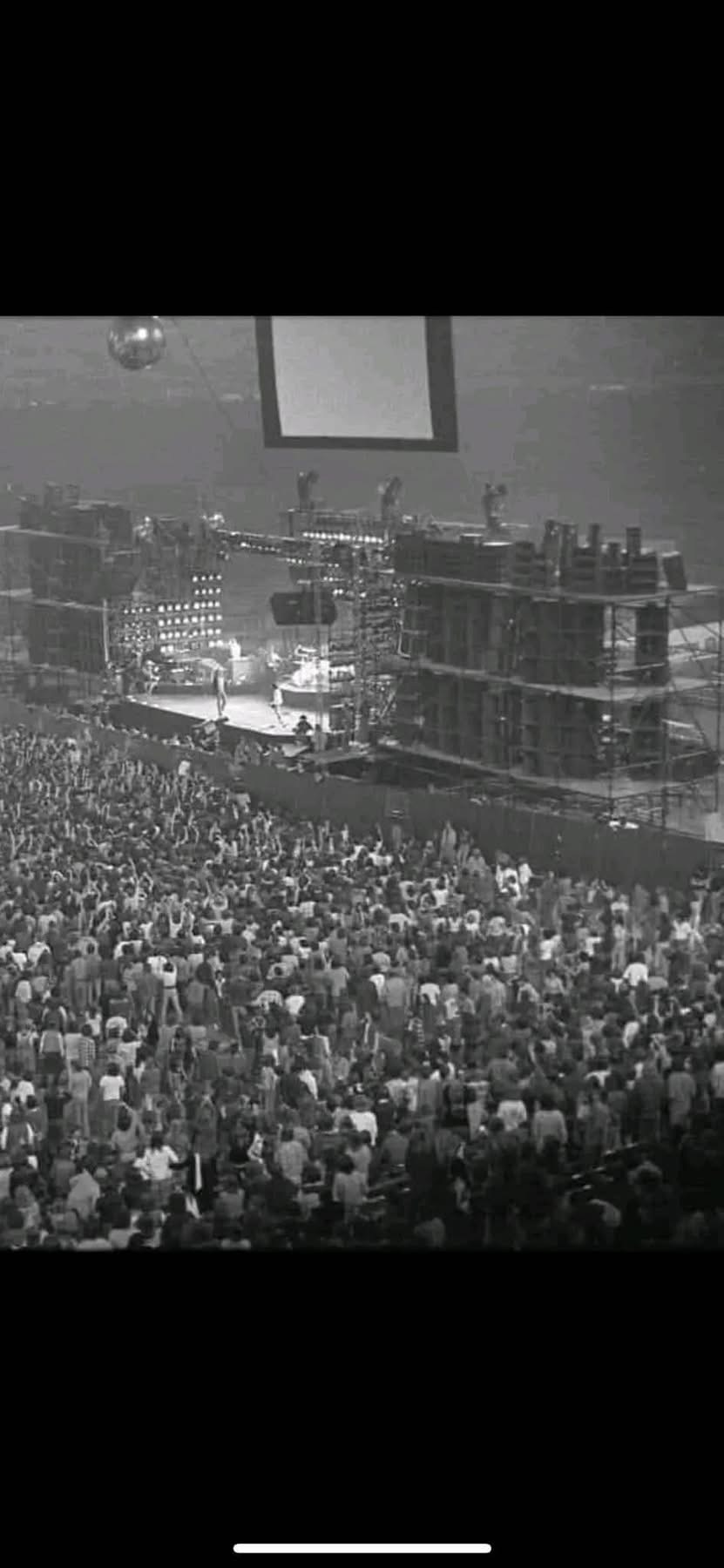
Led Zeppelin were legendary not only for their groundbreaking studio albums but also for their explosive, high-decibel live performances that left audiences stunned—and often partially deaf. Renowned for pushing the limits of volume and intensity, the band regularly stacked massive towers of Marshall amplifiers on stage, creating an earth-shaking wall of sound that could rattle seats in the farthest rows.
Their live shows weren’t just loud—they were immersive experiences. The band often performed extended, improvisational versions of their songs, stretching five-minute studio tracks into twenty-minute epic journeys. One infamous example comes from a 1969 concert where their performance of “Heartbreaker” reportedly reached a staggering 130 decibels. That’s about the same sound level as standing directly behind a Boeing 747 at takeoff—an intensity that can cause instant hearing damage. It was raw, unfiltered, and gloriously loud.
The band’s dedication to sonic power was perhaps best captured during their iconic 1977 performance at the Pontiac Silverdome in Michigan. With over 76,000 fans in attendance—one of the largest indoor crowds for a rock concert at the time—Led Zeppelin delivered a performance of mythic proportions. The sheer volume and energy shook the stadium’s foundation, with Jimmy Page’s searing guitar solos, John Bonham’s thunderous drumming, and Robert Plant’s wailing vocals roaring through the cavernous venue.
A photograph from that night captures the essence of the moment: Page in mid-solo, bathed in light, while behind him looms a wall of Marshall amps towering like monoliths of sound. It wasn’t just a concert—it was a sonic assault that redefined what live rock could be. To this day, Led Zeppelin’s live legacy stands as a benchmark for intensity, musicianship, and sheer, unrelenting volume.