




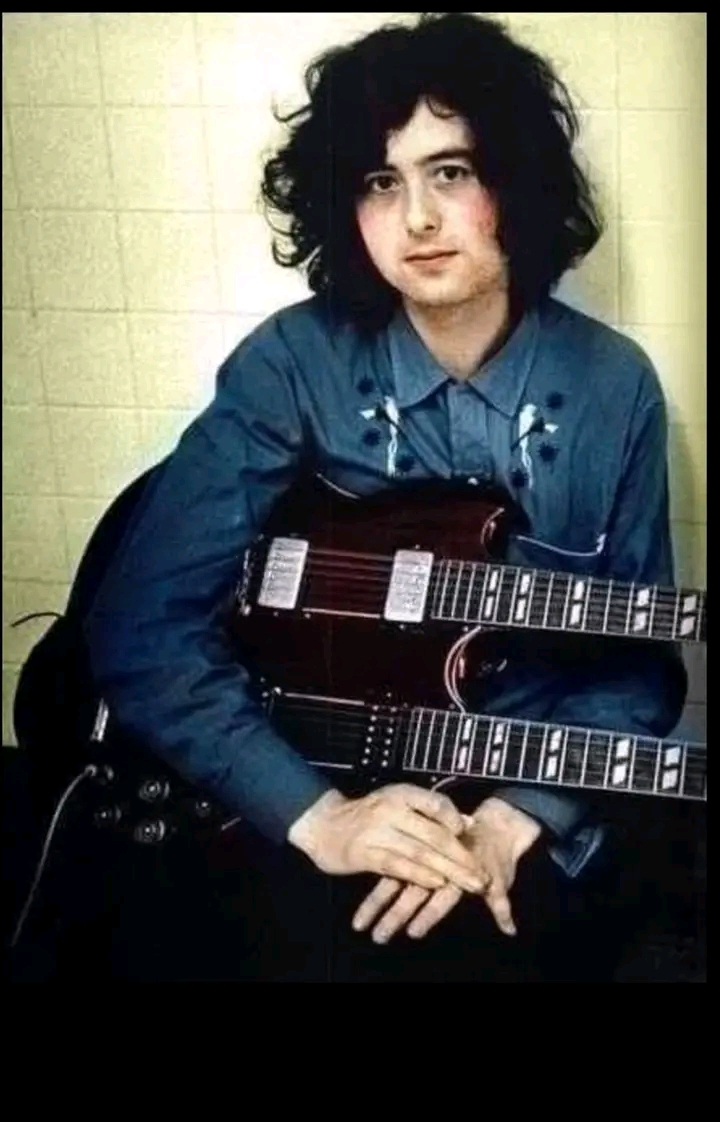
**Jimmy Page: The Architect of Rock’s Mythic Soundscape**
Jimmy Page isn’t just the greatest guitarist of all time—he’s the blueprint for what it means to turn music into mythology. While many guitarists shred, bend, and blaze, Page *conjures*. He’s not merely a technician; he’s a visionary, a sonic architect who built Led Zeppelin’s towering, genre-defying legacy from the ground up.
From the seismic riff of “Whole Lotta Love” to the mystical grandeur of “Kashmir,” Page’s playing isn’t just heard—it’s *felt* in the gut, the soul, and the subconscious. But what sets him apart isn’t speed or flash. It’s atmosphere. It’s storytelling. Whether layering Eastern-influenced scales or orchestrating walls of sound through intricate studio wizardry, Page’s genius lies in the totality of the experience. He understood music not just as performance, but as *ritual*.
In acoustic pieces like “Bron-Y-Aur Stomp” or “That’s the Way,” he showed a tenderness and nuance that belied his more thunderous side. Every note had purpose. Every silence had weight. His production work on Zeppelin’s albums turned them into sonic cathedrals—massive, echoing, emotionally resonant monuments to human possibility.
Live, Page was pure alchemy. Bowing his guitar, summoning otherworldly sounds, or losing himself in sprawling solos, he seemed less like a man playing music and more like a shaman channeling it from another realm. Audiences didn’t just attend Zeppelin shows—they *entered* them.
Even after stepping away from the stage spotlight, Page became the guardian of rock’s sacred text, meticulously preserving and remastering Zeppelin’s work for future generations.
His legacy is more than influence—it’s *inspiration*. Jimmy Page didn’t just play guitar. He turned it into a language of myth, mystery, and transcendence. Forever #1. Forever the maestro of rock’s de
epest magic.