




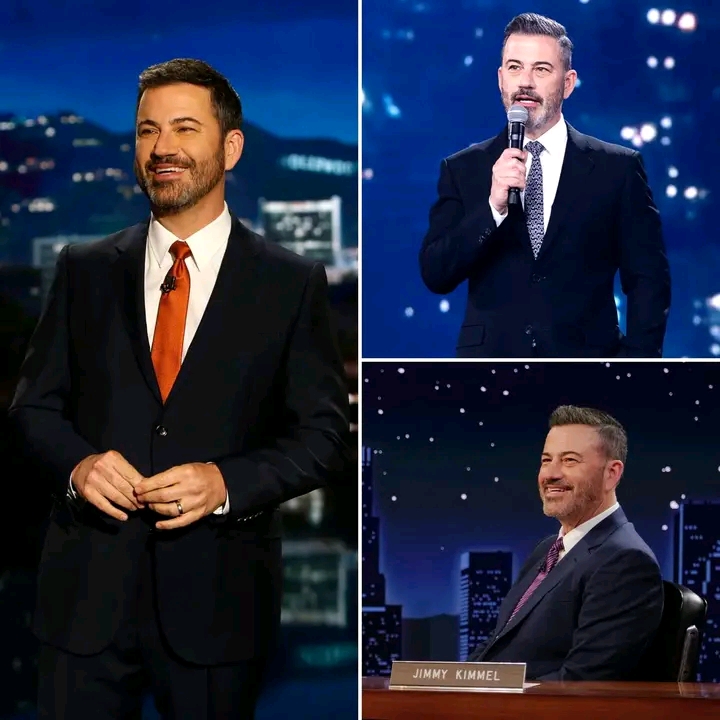
Jimmy Kimmel is no stranger to shaking up late-night, but his latest move signals more than a comeback—it’s a revolution. After broadcast giants like Sinclair and Nexstar refused to air his return, Kimmel is responding with a bold strategy: taking his entire show directly to streaming. Far from a backup plan, this is a declaration of independence that could rewrite the future of late-night TV.
Sources close to the production confirm Kimmel is building a “streaming-first” model, with Hulu, YouTube, and even lightning-fast social media drops lined up to carry his full episodes and exclusive content. This isn’t about posting bite-sized clips to chase viral moments—it’s about giving fans the whole experience without a single network gatekeeper in the way. The vision is radical: late-night built for a digital era, accessible anywhere, anytime.
Kimmel’s camp believes the move will unleash a cultural ripple effect. For decades, late-night has been defined by network schedules, restrictive ad models, and carefully controlled distribution. By bypassing traditional broadcasters, Kimmel isn’t just sidestepping corporate politics—he’s challenging the very foundation of how audiences consume late-night entertainment. The potential reach is staggering: millions who have already cut the cord could suddenly have instant, global access to a show that once lived only on linear TV.
And that’s exactly the point. By making streaming his primary home, Kimmel is declaring that late-night no longer belongs exclusively to broadcast television. Industry insiders warn this could trigger an arms race, forcing other hosts to rethink their futures and networks to confront an uncomfortable reality: the audience no longer needs them.
If Kimmel succeeds, this won’t just be a workaround—it will be the moment late-night finally broke free, forever changing the game.