





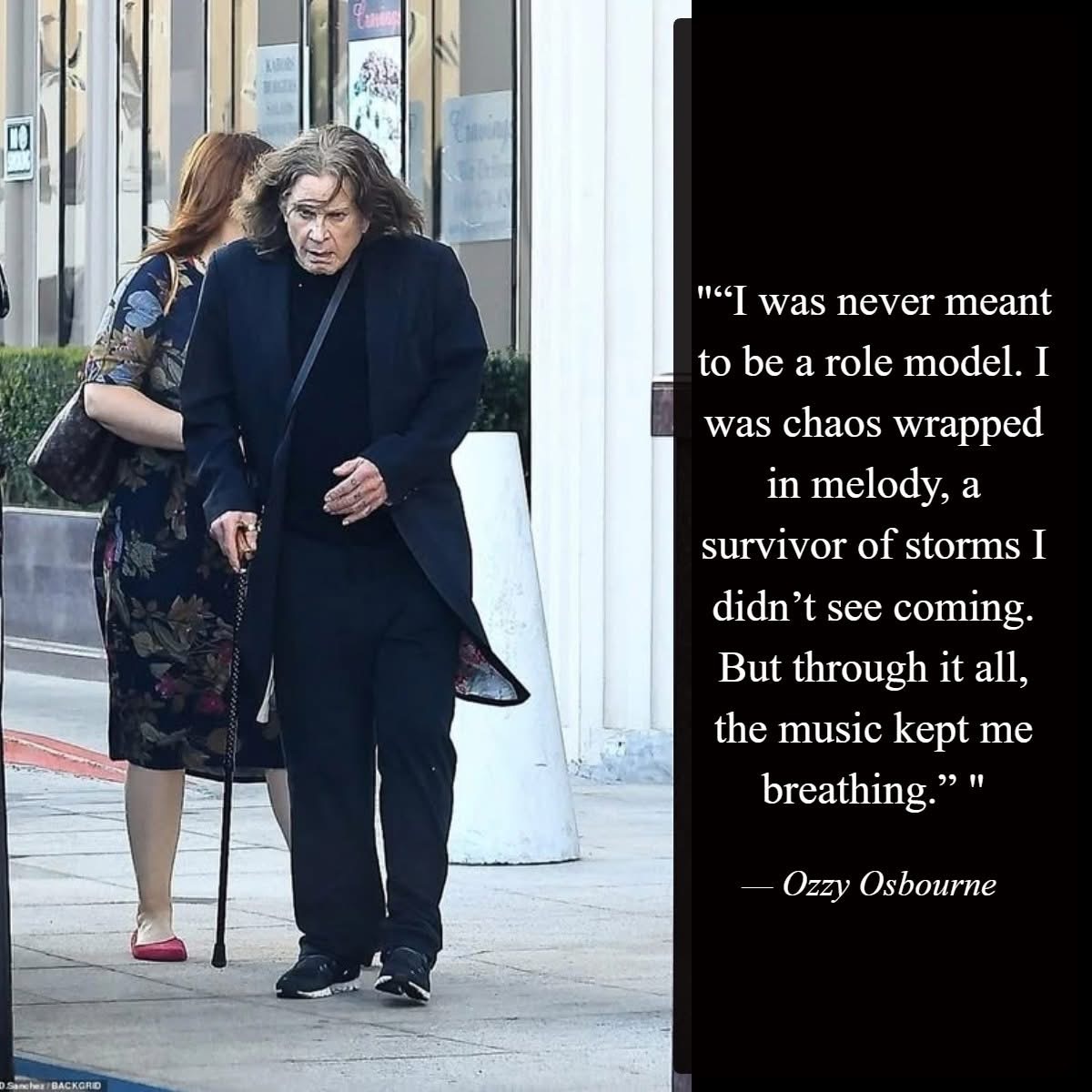
Born John Michael Osbourne on December 3, 1948, in Birmingham, England, Ozzy Osbourne became one of the most influential figures in rock history. Rising to fame as the lead singer of Black Sabbath, Ozzy helped define heavy metal with the band’s groundbreaking debut *Black Sabbath* (1970), quickly followed by the genre-defining albums *Paranoid* and *Master of Reality*. His haunting vocals, theatrical presence, and dark lyrical themes helped set Sabbath apart, cementing their legacy as metal pioneers.
In 1979, Ozzy was dismissed from the band due to substance abuse and internal conflicts, but his career was far from over. He launched a solo career with *Blizzard of Ozz* (1980), an album that introduced enduring classics like “Crazy Train” and “Mr. Crowley.” Teaming up with prodigious guitarists such as Randy Rhoads and later Zakk Wylde, Ozzy’s solo work pushed metal into new directions, blending virtuosity with raw energy and emotional intensity.
Beyond music, Ozzy became a pop culture icon in the 2000s with *The Osbournes*, a hit reality TV show that revealed his eccentric family life and introduced him to a new generation of fans. Despite public struggles with health, including Parkinson’s disease and multiple surgeries, he has remained a defiant and enduring force in rock.
Ozzy was inducted into the Rock and Roll Hall of Fame with Black Sabbath in 2006 and earned a solo nomination in 2024, reflecting his continued influence on modern music. Known for his resilience, controversial antics, and unforgettable stage presence, Ozzy Osbourne is more than just a musician—he is a living embodiment of heavy metal’s rebellious spirit and staying power.