




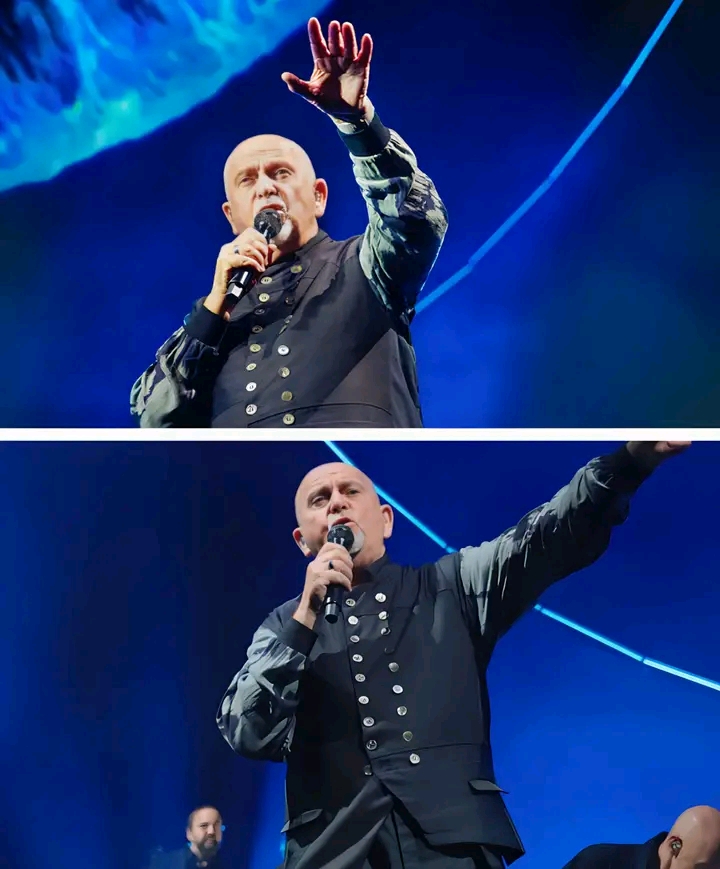
What happens when an artist turns inward and outward at once? In Peter Gabriel’s case, the result was a body of work that bridged the personal and the planetary—a career where self-reflection became inseparable from social conscience. Gabriel, one of rock’s true visionaries, transformed from Genesis frontman into a solo artist whose music and activism reshaped the cultural landscape.
After departing Genesis in 1975, Gabriel embarked on a fearless solo journey defined by experimentation and empathy. His early records fused art rock, electronic innovation, and world influences, creating a sound that felt both intimate and expansive. “Solsbury Hill,” his debut single, captured the pain and liberation of leaving the familiar behind, while “Games Without Frontiers” offered a sly commentary on global politics. His voice—fragile yet powerful—invited listeners into a space where emotion met intellect.
Then came *So* in 1986, an album that turned Gabriel’s artistry into a global phenomenon. With the jubilant “Sledgehammer,” he reinvented pop’s possibilities through rhythm, visual innovation, and soul. Yet *So* also bared his sensitivity: the duet “Don’t Give Up” with Kate Bush was an anthem of compassion in hard times. The record’s success proved that profound ideas and popular appeal could coexist.
Beyond music, Gabriel turned outward through activism. He co-founded WOMAD, introducing Western audiences to a tapestry of global sounds, and worked tirelessly with Amnesty International to spotlight human rights abuses. His art became a vessel for empathy across borders.
Peter Gabriel’s genius lies in that dual gaze—looking inward to understand the human soul, and outward to heal a fractured world. He showed that art can be both mirror and bridge, transforming personal truth into collective vision. His legacy endures wherever music dares to feel and to mean.