





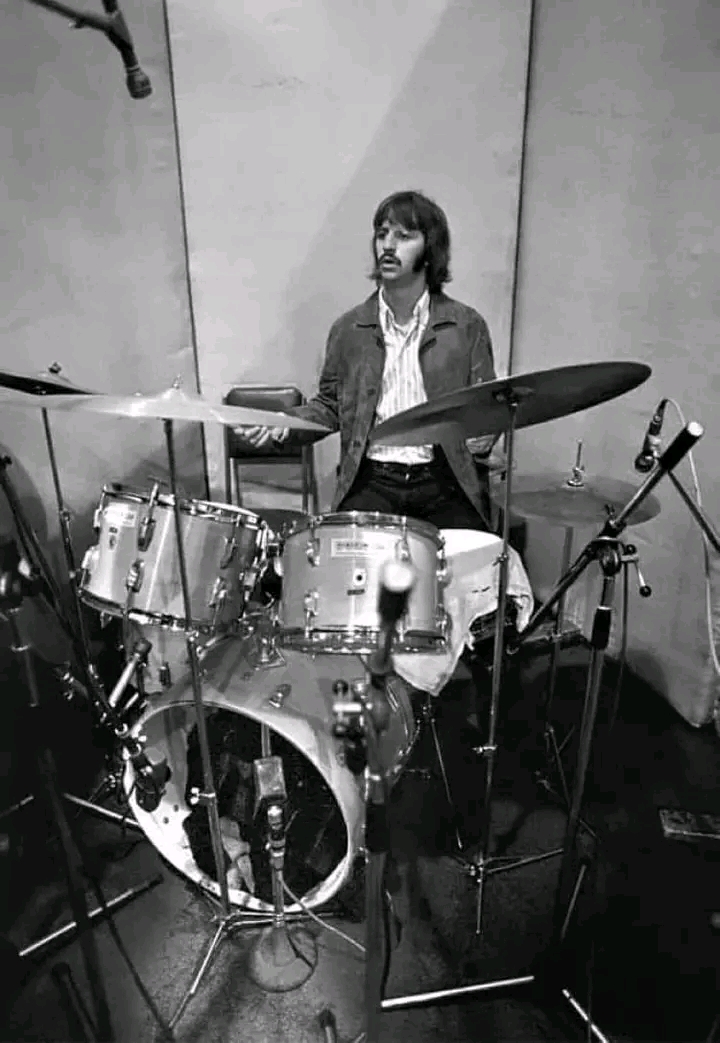
**On This Day in 1969 — The Beatles Recorded “Maxwell’s Silver Hammer”**
…and not everyone was thrilled about it.
Paul McCartney’s jaunty, vaudeville-style tune about a student who commits a string of bizarre murders with a silver hammer might sound playful on the surface—but behind the scenes, the recording sessions for “Maxwell’s Silver Hammer” were anything but fun.
To Paul, the song had deeper meaning. He described it as an allegory for how life often throws unexpected misfortunes your way:
> “My analogy for when something goes wrong out of the blue, as it so often does.”
But not all Beatles shared his enthusiasm.
John Lennon flat-out refused to attend the main recording sessions, brushing the song off as trivial. George Harrison was even more blunt, later lamenting that they were dragged into recording what he called “granny music” to satisfy Paul’s perfectionist vision. And Ringo Starr didn’t mince words either—he called it:
> “The worst session ever. The worst track we ever had to record.”
Still, Paul persisted. Over several painstaking days, he led the group through countless takes, overdubs, and even added effects from the then-cutting-edge Moog synthesizer. What was meant to be a quirky detour turned into a symbol of the band’s growing creative divide.
“Maxwell’s Silver Hammer” may be wrapped in bounce and charm, but it now stands as a moment where the cracks in The Beatles’ foundation became impossible to ignore. While Paul was striving for musical perfection and deeper metaphors, the others saw it as an exhausting distraction from more meaningful work.
In hindsight, the song isn’t just a darkly comic tale—it’s a snapshot of The Beatles’ final chapter: brilliant, tense, and beginning to splinter, even in the
pursuit of melody.