





Tucked away in the historic district of Holland Park, London, The Tower House at 29 Melbury Road stands as one of the most unique and striking examples of Victorian Gothic Revival architecture. Designed and built between 1875 and 1881 by the visionary architect and designer William Burges, the house was conceived as his personal residence and artistic masterpiece. Clad in deep red brick with pale Bath stone accents and roofed in green slate from Cumbria, the house is instantly recognizable by its cylindrical tower capped with a conical roof—an architectural nod to medieval romance and fantasy.
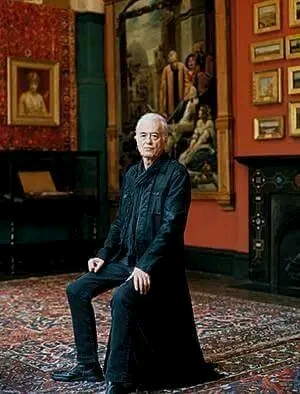
The interior of The Tower House is nothing short of extraordinary. Referred to by architectural historian J. Mordaunt Crook as “the most complete example of a medieval secular interior produced by the Gothic Revival, and the last,” the home is a testament to Burges’s devotion to craftsmanship and medieval aesthetics. Inside, the ground floor hosts an ornately decorated drawing room, a richly paneled dining room, and a library infused with historic charm. The first floor features two bedrooms and a dramatic armoury, echoing the grandeur of Burges’s other celebrated works like Park House in Cardiff and Castell Coch.
Despite its grandeur, the house nearly slipped through the hands of entertainment history. American pianist Liberace once made an offer, but failed to secure the sale. The next day, after reading about the listing in the *Evening Standard*, actor Richard Harris purchased it on impulse, calling it “the biggest gift I’ve ever given myself.” Committed to honoring its legacy, Harris commissioned Campbell Smith & Company Ltd.—Burges’s original decorators—to restore the home using authentic designs sourced from the Victoria and Albert Museum.
Today, The Tower House remains a Grade I listed building, a living monument to fantasy, architecture, and artistic v
ision.