





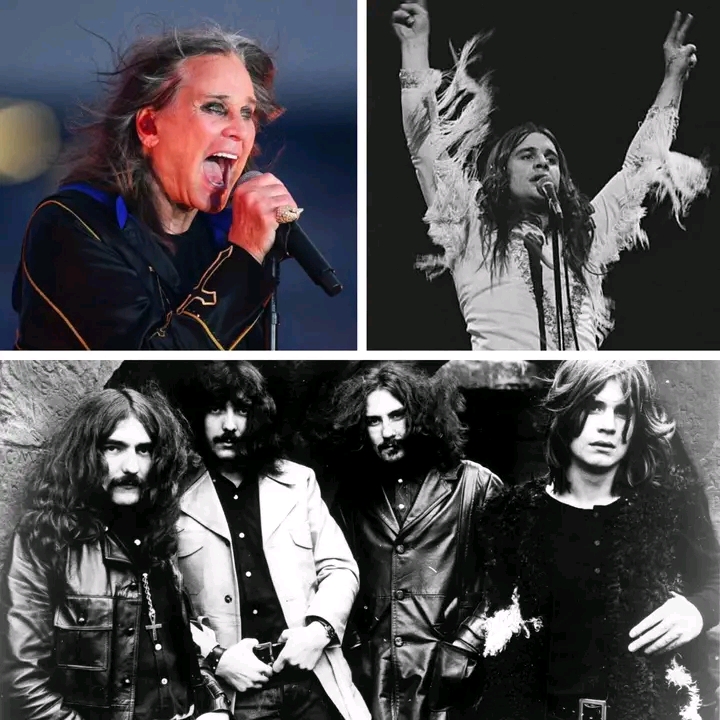
Before heavy metal had a name, Black Sabbath was unknowingly inventing it—blending bluesy grit with apocalyptic riffs, occult imagery, and a sonic weight that shook the ground. At the heart of it all was Ozzy Osbourne, a working-class misfit from Birmingham with a voice like a haunted siren and a stage presence both terrifying and mesmerizing. Together, Sabbath carved a new musical path, but as their fame grew, so did the chaos.
By the late ’70s, the band was drowning in drugs, creative tension, and personal burnout. Ozzy, spiraling out of control, became too unpredictable even for a band built on pushing boundaries. In 1979, they made the impossible decision: they fired their frontman. To many, it looked like the end of the road for Ozzy Osbourne.
Instead, it was the start of something even bigger.
With help from future wife and manager Sharon Arden, Ozzy launched a solo career that no one saw coming. His debut album, *Blizzard of Ozz*, was a thunderous statement—introducing the world to Randy Rhoads’ virtuoso guitar work and spawning iconic tracks like “Crazy Train” and “Mr. Crowley.” Ozzy reinvented himself as a solo artist, fusing theatricality with raw power, turning personal chaos into creative gold.
Over the decades, while Sabbath’s legacy remained iconic, Ozzy became something more: a household name, a reality TV star, a pop culture phenomenon, and the undisputed Prince of Darkness. He transcended his origins, building a brand and fanbase that spanned generations.
This is the unlikely tale of how Ozzy Osbourne, once cast out by the band he helped define, rose to become metal’s most enduring and electrifying force—proving that sometimes, getting fired is the best thing that can ev
er happen.