





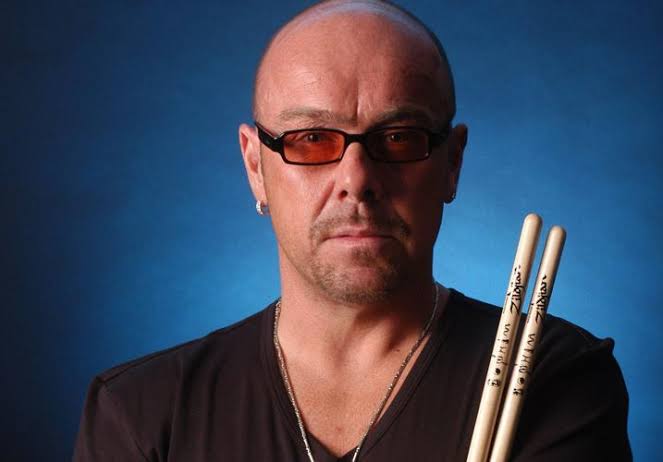
In 2013, Jason Bonham, the son of legendary Led Zeppelin drummer John Bonham, revealed an ambitious and deeply personal vision: to perform alongside his late father in the form of a hologram. As the driving force behind Jason Bonham’s Led Zeppelin Experience, a tribute band honoring the legacy of the iconic rock group, he dreamed of creating a moment that would blur the line between past and present. His goal was not just to entertain but to offer fans a poignant glimpse of music history reborn through technology.
Jason envisioned a stunning duet, where he would play live drums in synchronization with a holographic John Bonham — capturing both the power and intimacy of performing with the man who inspired his musical journey. “It’s my dream to do a drum solo with my dad,” Jason said in interviews, explaining how emotionally significant such a performance would be. “It’s not just about technology, it’s about love and legacy.”
This idea, although ambitious, wasn’t far-fetched in an age where holographic performances had already brought artists like Tupac Shakur back to the stage. Jason’s proposal stood out not only for its technical challenge — aligning two complex drum performances — but also for its emotional depth. It was more than spectacle; it was a tribute steeped in reverence.
Though the hologram duet never materialized on a grand scale, the dream itself highlighted how modern artists and families are finding innovative ways to preserve and celebrate musical legacies. For Jason Bonham, the project represented more than a show — it was a symbolic reunion, a chance to bridge generations and keep the thunderous spirit of John Bonham alive for new audiences, all while playing side by side with the father he lost too soon.